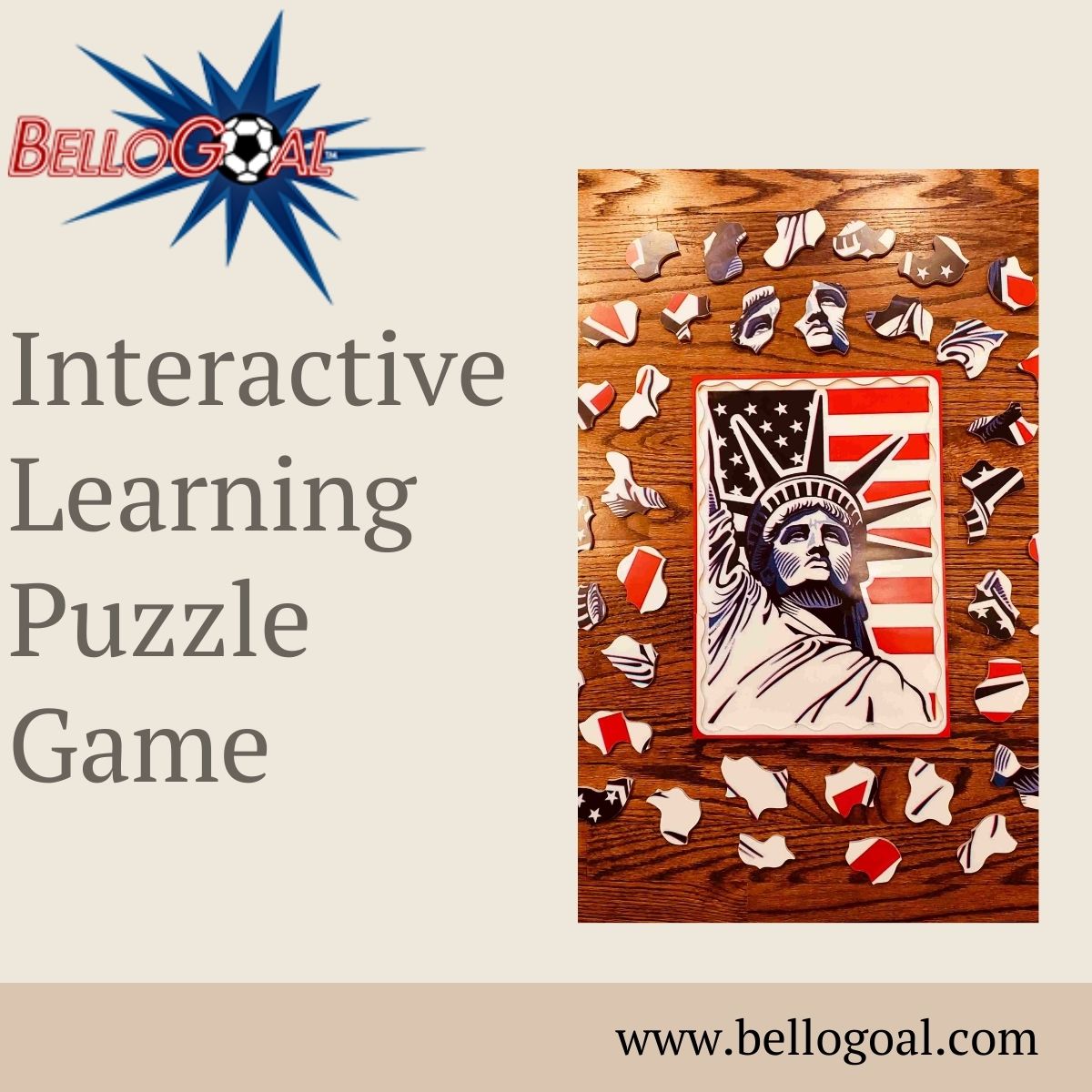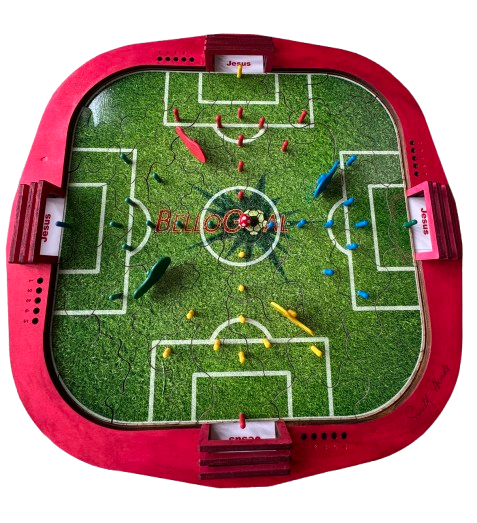
A Classroom interactive puzzle game is more than entertainment. It is also a powerful learning tool. It combines coordination, strategy, and collaboration. All of this comes together in one engaging experience.
Inspired by tabletop sports and puzzle-solving, this type of game feels fresh. It creates a new way to build important skills. It works well at home and in classrooms. It also fits group activities.
This kind of game brings people together. It improves focus and thinking. It also encourages teamwork. Because of this, it has become a valuable part of modern learning and recreation.
A Unique Blend of Play and Learning
A Classroom interactive puzzle game blends physical play with mental effort. It is different from traditional board games. Players do not just sit and think. They also move and act.
Players use controlled hand movements. These actions improve coordination. They also sharpen reaction time. At the same time, the puzzle format challenges the brain. Players must plan their moves. They must think ahead. They also need to adjust quickly.
This mix of action and thinking is very useful in classrooms. Teachers can make learning more active. Students stay engaged for longer periods.
The rules are simple. Beginners can learn quickly. However, the gameplay still has depth. Experienced players remain interested. This balance makes the game suitable for all ages.
Benefits for Skill Development
A Classroom interactive puzzle game supports both physical and mental growth. It offers many practical benefits:
- Improves hand-eye coordination through repeated actions
- Builds fine motor skills with small and controlled movements
- Strengthens strategic thinking through planning and execution
- Encourages decision-making under time pressure
- Promotes teamwork and communication among players
- Increases patience and attention span over time
These benefits are especially helpful for children. They are also useful for learners who prefer hands-on activities. The game creates a safe and enjoyable way to practice essential skills.
Encouraging Social Interaction and Teamwork
A Classroom interactive puzzle game helps people connect. It brings players together in one space. This is important in a world full of screens.
Players must communicate with each other. They share ideas and strategies. They also support their teammates. This builds trust and understanding.
The game also teaches cooperation. Each player has a role. Success depends on teamwork. This creates a sense of belonging.
Competition is part of the experience. However, it remains friendly. Players learn to win with humility. They also learn to accept losses. These lessons are important in real life.
Versatility in Different Environments
A Classroom interactive puzzle game can be used in many settings:
- Classrooms for active and engaging lessons
- Homes for family bonding and shared fun
- Therapy sessions to improve motor and coordination skills
- Recreational centers for group-based activities
- Workshops to make learning more interactive
This flexibility makes the game very useful. It adapts easily to different needs. Teachers can use it for education. Parents can use it for entertainment. Therapists can use it for development.
Because of this, the game fits into both formal and informal environments. It remains effective in each setting.
A Modern Approach to Traditional Gameplay
A Classroom interactive puzzle game builds on classic ideas. It adds new elements to traditional gameplay. It combines sports, puzzles, and physical interaction.
The game is hands-on. Players directly control what happens. This makes the experience more engaging. It also helps players stay focused.
Unlike digital games, this format is tactile. Players can feel and control each move. This creates a stronger connection to the activity.
Many versions also allow customization. Players can personalize their experience. This keeps the game interesting over time. It also increases long-term use and enjoyment.
Conclusion
A Classroom interactive puzzle game is both fun and meaningful. It supports learning and development. It also encourages teamwork and creativity.
This type of game improves coordination and thinking skills. It also strengthens social connections. Players learn while they play.
Its versatility makes it suitable for many environments. It works in classrooms, homes, and therapy spaces. It remains effective in all of them.
By combining fun with purpose, it creates lasting value. A Classroom interactive puzzle game is not just a game. It is an experience hat builds skills and memories at the same time.